礁溪,民豐有機米 Jiaoxi Township, Minfeng Organic Rice
礁溪,民豐有機米
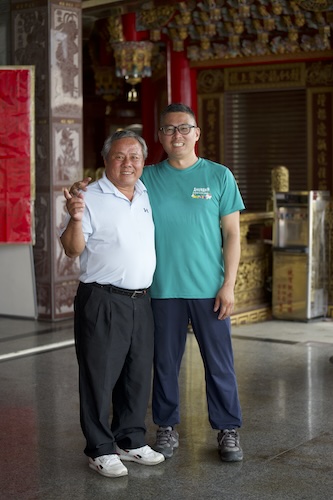
民豐的有機稻田開始得很早,現任澤蘭宮主委游建富,1994年籌組「礁溪有機米產銷班」,同時革新生產設備,力行產區及加工廠的有機認證。讓接手的游勝文有餘裕推廣永續餐桌,甚至以自然農法種植蔬果,讓田間成為食農教育的場域。從識別標章也能看出民豐的精神,第一劃是第一代老農,第二劃為接棒青農,田字象徵兩代農民一起為土地的永續努力。
小知識:吳沙的媽祖婆
礁溪地名源自於自然環境,見上游溪床乾涸而稱為乾溪——Tann-khe(宜蘭腔),有旱坑之意。中下游豐富的水量,是孕育稻米的優良環境。
1797年吳沙率閩粵移民入蘭,隨身攜帶一尊媽祖護佑,過3年已開墾到四圍,即現今吳沙村,其子吳光裔在此築土圍而居,也在此恭奉隨吳沙入蘭的媽祖,1991年建造澤蘭宮供奉天上聖母,是當地的信仰中心。
Jiaoxi Township, Minfeng Organic Rice
Minfeng Organic Farm started quite early—You Sheng-fu, current chairperson of Zhelan Temple, organized the “Jiaoxi Organic Rice Production and Marketing Group” in 1994, while also updating production facilities to promote organic certification of production sites and processing facilities, leaving his successor You Chien-wen sufficient resources to promote sustainable dining table, and even adopt natural farming methods for vegetables and fruits, turning farms into venues of food and agricultural education. Their logo also manifests Minfeng’s spirit—the first stroke represents first-generation senior farmers, the second stroke represents succeeding young farmers, and the Chinese character “Tian (farm)” symbolizes that the two generations of farmers work together for sustainability of the land and soil.
Trivia: Wu Sha’s Mazu, Queen of Heaven
The name Jiaoxi originated from its natural environment—first
settlers named it Tann-khe (Yilan dialect, meaning dry pit) upon
seeing the riverbed upstream. With sufficient water midstream and
downstream, it makes a perfect environment for rice
cultivation.
In 1797, Wu Sha led settlers from Fujian and Guangdong provinces
to Yilan. They brought along with them a statue of Mazu for
protection. After three years, they reached Siwei, which is where
Wusha Village is today, and his son Wu Kuang-yi built a Hakka
walled village and settled down. They also enshrined the Mazu Wu
Sha brought to Yilan here. In 1991, Zhelan Temple was built to
enshrine the Queen of Heaven, becoming the local religious center.